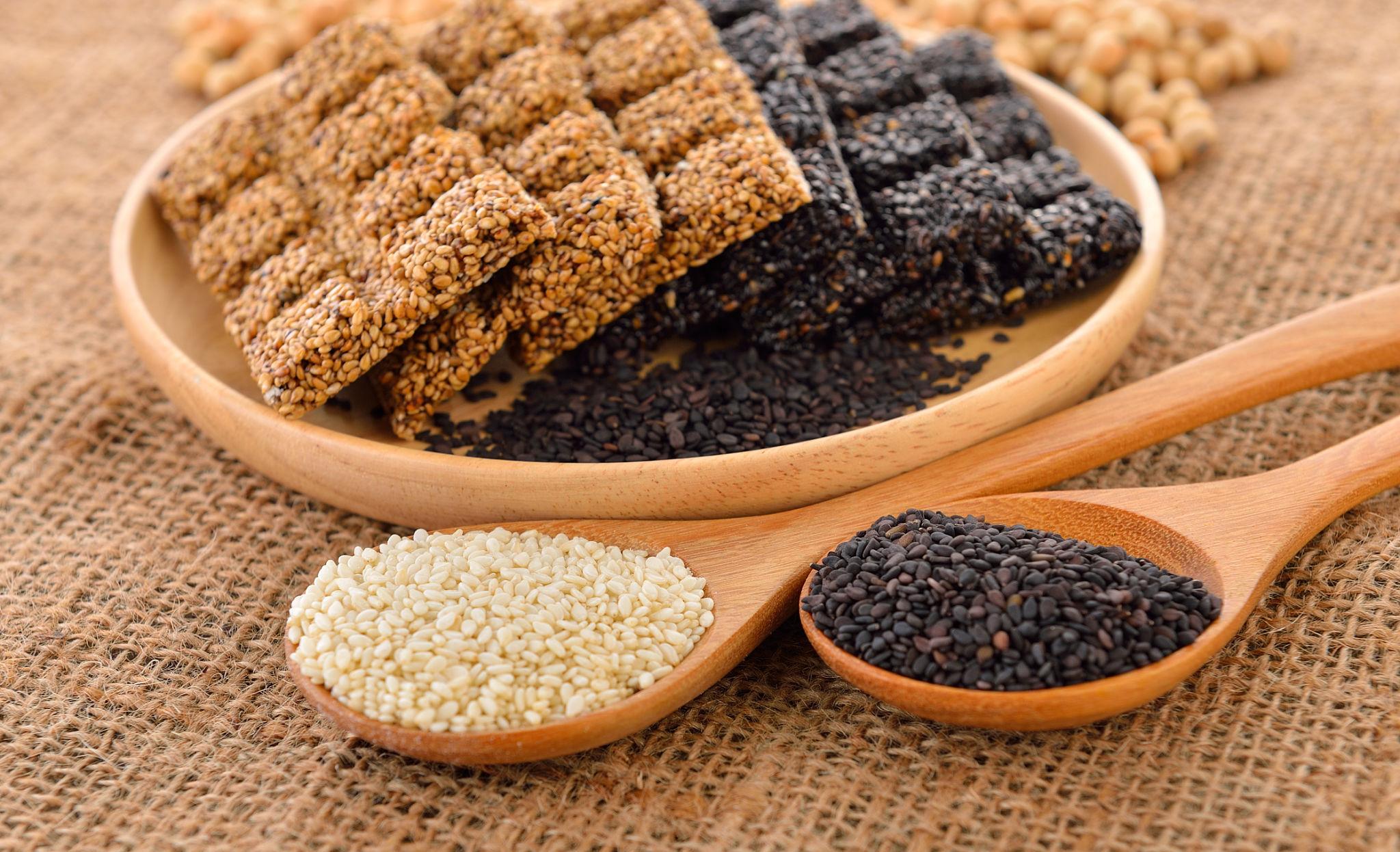
Sesame Seed Benefits for Sri Lankan Families: Nutrition, Uses and Traditional Foods
Sesame seeds are among the oldest cultivated oilseeds in the world and have an important place in traditional Sri Lankan food culture. Known locally as thala, these tiny seeds are used in traditional sweets, snacks, cooking, and various homemade food preparations.
Although sesame seeds are small, they contain several valuable nutrients, including healthy fats, protein, dietary fibre, and minerals. Their distinctive nutty flavour also makes them a versatile ingredient for both traditional recipes and modern meals.
For Sri Lankan families looking to enjoy a varied and balanced diet, sesame seeds offer a simple way to add flavour, texture, and nutritional value to everyday food.
In this article, we explore the main sesame seeds benefits, their nutritional value, the differences between white and black sesame seeds, and practical ways to include them in your daily diet.
What Are Sesame Seeds?
Sesame seeds are obtained from the sesame plant (Sesamum indicum), an annual flowering plant cultivated for its edible seeds. The seeds are widely used in food production because of their flavor, oil content, and versatility.
In Sri Lanka, sesame has a strong connection with traditional food preparation. It is used in sweets such as thala guli, as well as in other recipes that combine sesame with ingredients such as jaggery and coconut.
Sesame seeds are available in several colors, including white, cream, brown, and black. Their flavor and appearance can vary depending on the variety and whether the seeds have been hulled or processed.
Today, sesame seeds are used in traditional cooking, bakery products, confectionery, salads, sauces, and many other foods around the world.
Sesame Seeds Benefits: Why Are They Nutritious?
The nutritional value of sesame seeds comes from their combination of fats, plant protein , fiber, vitamins, and minerals. Their exact nutritional composition depends on the variety, processing method, and serving size.
Here are some important nutritional characteristics of sesame seeds.
A source of healthy fats
Sesame seeds contain unsaturated fats, including monounsaturated and polyunsaturated fatty acids. Replacing some sources of saturated fat with unsaturated fats can be part of a heart-conscious eating pattern.
Sesame seeds are also energy-dense because of their fat content. For this reason, moderate portions can be a practical way to include them in a balanced diet.
Plant-based protein
Sesame seeds provide plant protein, which contributes to the body's normal growth, maintenance, and repair processes.
They can complement other protein sources such as lentils, beans, chickpeas, eggs, fish, and other foods commonly eaten in Sri Lanka.
However, sesame seeds are generally consumed in smaller quantities than staple foods, so they should be considered one component of an overall balanced diet rather than a complete protein solution by themselves.
Dietary fiber
Sesame seeds contain dietary fiber, which contributes to normal digestive function.
Including fiber-rich foods in a varied diet can help support bowel regularity and overall digestive health. Whole grains, vegetables, fruits, legumes, nuts, and seeds are also useful sources of dietary fiber.
Minerals for everyday nutrition
Sesame seeds contain several minerals, including calcium, magnesium, iron, zinc, and phosphorus. The amounts available to the body vary depending on the variety and processing method.
These minerals perform different functions in the body. For example, calcium and phosphorus contribute to normal bone structure, while iron is required for oxygen transport and magnesium contributes to normal muscle and nerve function.
The amount of each mineral obtained from sesame depends on the portion consumed and the rest of the diet.
3. Black Sesame Seeds Benefits
Black sesame seeds are particularly familiar in several Asian food traditions. Their dark appearance and distinctive flavor make them popular in sweet preparations, desserts, pastes, and other dishes.
Like other sesame varieties, black sesame seeds contain fats, protein, and minerals. They also contain naturally occurring plant compounds that contribute to their characteristics.
Some consumers prefer black sesame seeds because of their stronger appearance and flavor, while others choose white sesame seeds for their milder taste.
It is important to understand that color alone does not establish that one variety is healthier than another. Nutritional differences depend on the specific variety, whether the seeds are hulled, and how they are processed.
When choosing between black and white sesame seeds, consider the intended recipe, taste preference, product quality, and how the seeds fit into your regular diet.
#4. White Sesame Seeds and Their Everyday Uses
White sesame seeds are widely used in cooking and food manufacturing because of their mild, nutty flavor.
They can be sprinkled over bread, buns, salads, and stir-fried vegetables. They are also used in confectionery, sesame snacks, sauces, and sesame-based pastes.
In Sri Lankan food preparation, sesame can be combined with other ingredients to create traditional sweets and snacks. Light roasting may enhance its aroma and flavor, although excessive heating can affect the quality of the seeds and their oils.
White sesame seeds are not automatically more nutritious or less nutritious than black sesame seeds in every situation. The variety, processing, and serving size all matter.
For home cooking, choose clean, food-grade sesame seeds and store them in a dry, airtight container to help maintain their quality.
5. Sesame Seeds in Traditional Sri Lankan Foods
Sesame has a special place in Sri Lankan food culture, particularly in traditional sweet-making.
Thala Guli
Thala guli is a familiar traditional sweet prepared using sesame seeds and ingredients such as jaggery, depending on the recipe. The combination creates a distinctive taste and texture that many people associate with traditional Sri Lankan food.
Recipes differ between households and manufacturers. Some preparations may use different proportions of ingredients or additional flavorings.
Rulan Kerali and other traditional sweets
Traditional Sri Lankan confectionery includes a variety of sweet products made using grains, coconut, sugar, jaggery, and other ingredients.
When sesame is included in these preparations, it contributes its characteristic flavor and texture. The exact nutritional value of the finished product depends on its full ingredient list and the proportions used.
For consumers, it is useful to distinguish between plain sesame seeds and prepared sweets. Traditional sweets may contain added sugar or other ingredients that increase their overall energy content.
Sesame in everyday meals
Sesame seeds can also be incorporated into savory meals. They may be sprinkled over salads, rice dishes, vegetables, or homemade snacks.
Ground sesame can be used in sauces, pastes, and dressings. Lightly toasted seeds can add a pleasant aroma to many recipes.
These simple uses make sesame a versatile ingredient that can be enjoyed beyond traditional sweets.
6. Sesame Seeds for a Balanced Diet
Sesame seeds can contribute useful nutrients to a balanced diet, but their benefits should be understood in the context of overall eating habits.
Rather than relying on a single food for a particular health outcome, aim to include a variety of vegetables, fruits, whole grains, legumes, suitable protein sources, nuts, and seeds.
Here are a few practical ideas for enjoying sesame seeds:
- Add a small sprinkle of sesame seeds to salads or cooked vegetables.
- Use sesame seeds as a topping for homemade bread or savory snacks.
- Mix ground sesame into suitable sauces or dressings.
- Include sesame-based foods as part of a varied meal plan.
- Enjoy traditional sesame sweets occasionally and pay attention to portion sizes.
Sesame seeds are nutrient-rich, but they are also energy-dense. A moderate serving can help you enjoy their flavor and nutritional contribution without relying on large quantities.
People with sesame allergies should avoid sesame and products containing it. Anyone managing a medical condition or following a prescribed diet should seek individual advice from a qualified healthcare professional when necessary.
7. How to Store Sesame Seeds Properly
Proper storage helps maintain the flavor and quality of sesame seeds.
Because sesame seeds contain oil, exposure to heat, light, moisture, and air can gradually affect their freshness.
Follow these practical storage tips:
Keep them dry: Store sesame seeds in a clean, dry container. Moisture can affect quality and encourage spoilage.
Use an airtight container: Limiting contact with air helps preserve flavor and freshness.
Avoid direct sunlight: Store the container away from direct sunlight and excessive heat.
Check freshness: Look for changes in smell, appearance, or texture before use. Discard seeds that show signs of spoilage.
Follow the product label: For packaged sesame seeds, follow the manufacturer's storage instructions and best-before date.
For commercial food production, suitable packaging and proper storage conditions are particularly important for maintaining product quality throughout distribution.
8. Choosing Quality Sesame Seeds in Sri Lanka
When buying sesame seeds in Sri Lanka, consider product quality, packaging, freshness, and the intended use.
For home cooking, choose food-grade sesame seeds from a reliable supplier. Check the package for the product name, ingredients where applicable, net weight, storage instructions, and relevant date information.
If you are buying sesame seeds for food manufacturing, bakery production, confectionery, or wholesale distribution, you may also need information about packaging sizes, product specifications, supply consistency, and delivery arrangements.
Businesses should communicate their requirements clearly to suppliers so they can assess whether the product is suitable for their production process.
At Sakura Products & Exports (Pvt) Ltd., our focus is on sesame-based products and traditional Sri Lankan food. We aim to connect the familiar flavors of sesame with consumers and businesses looking for sesame products.
Explore our website to discover the available products and find the options that suit your requirements.
9. Frequently Asked Questions About Sesame Seeds
What are the main sesame seeds benefits?
Sesame seeds provide unsaturated fats, plant protein, dietary fiber, and minerals such as calcium, magnesium, iron, and zinc. They can contribute to a balanced diet when consumed in appropriate portions.
Are black sesame seeds better than white sesame seeds?
Neither variety is universally better in every situation. Both provide nutrients, and their composition varies according to variety and processing. Your choice can depend on flavor, recipe, availability, and personal preference.
Can sesame seeds be eaten every day?
Many people can include sesame seeds regularly as part of a varied diet, provided they do not have a sesame allergy or another reason to avoid them. Because sesame seeds are energy-dense, portion size is worth considering.
How can I eat sesame seeds?
You can sprinkle them over salads, vegetables, rice dishes, and bread, or use them in sauces, pastes, snacks, and traditional sweets.
Are sesame-based sweets the same as plain sesame seeds nutritionally?
No. Prepared sweets may contain sugar, jaggery, coconut, or other ingredients. Their nutritional composition depends on the complete recipe, so the benefits of plain sesame seeds should not automatically be attributed to every sesame-based sweet.
Where can I buy sesame products in Sri Lanka?
Look for reputable food manufacturers and suppliers that provide clear product information, appropriate packaging, and ordering details. You can explore the available sesame-based products on the Sakura Products website.
Conclusion
Sesame seeds are small but versatile ingredients with a long history in Sri Lankan food culture. Their combination of unsaturated fats, plant protein, fiber, and minerals makes them a useful addition to a varied and balanced diet.
From traditional thala guli to everyday cooking, bakery products, and modern recipes, sesame seeds offer many ways to enjoy their distinctive flavor.
Understanding the differences between sesame varieties, choosing good-quality products, and storing them correctly can help you make the most of this familiar ingredient.