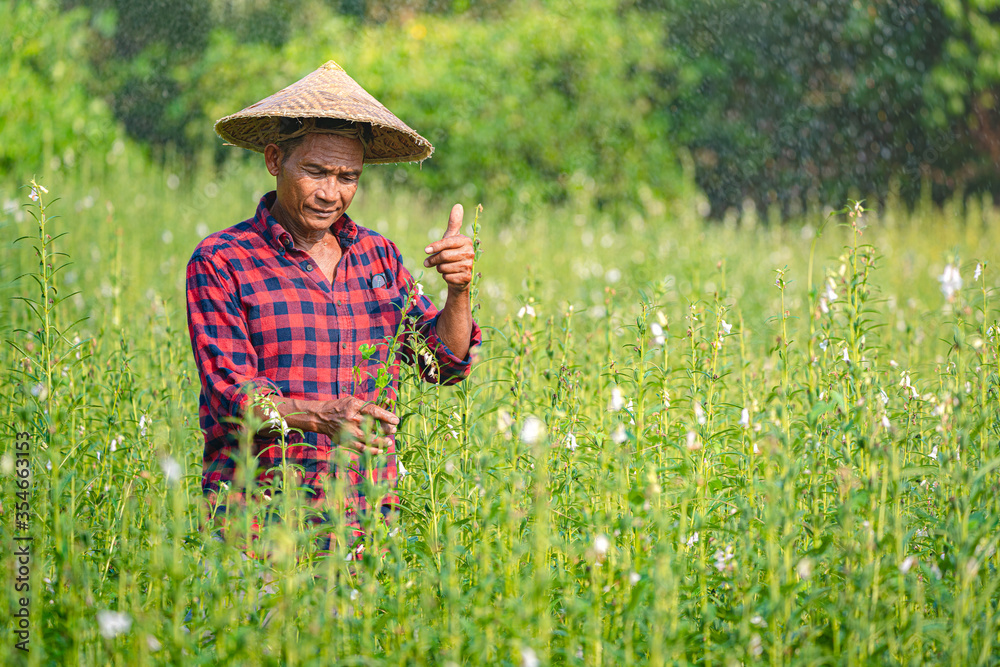
How Sesame Is Grown in Sri Lanka
Sesame has been part of Sri Lankan food culture for generations. From traditional thala guli to sesame sweets, sesame oil and roasted sesame products, these tiny seeds have an important place in Sri Lankan cuisine.
But have you ever wondered where sesame seeds come from and how they reach our kitchens?
The journey begins in the field.
Sesame cultivation in Sri Lanka is especially suited to the country's dry and intermediate zones. With the right soil, climate, planting time and care, sesame plants can produce valuable seeds that are later used in a wide range of traditional and modern food products. The Sri Lanka Department of Agriculture identifies sesame as a crop that can be successfully cultivated in these regions.
Let's take a closer look at the journey of Sri Lankan sesame — from the farm to the products we enjoy.
What Is Sesame?
Sesame, scientifically known as Sesamum indicum L., is an annual crop belonging to the Pedaliaceae family.
The plant produces pods containing small sesame seeds. Depending on the variety, the seeds can be white, light brown or black.
Sesame is valued as a food crop because of its nutritional properties and its versatility. The seeds can be roasted, ground, pressed for oil or incorporated into traditional foods and confectionery.
In Sri Lanka, sesame is also closely connected with traditional food preparation, particularly sweets such as thala guli, where roasted sesame seeds are combined with ingredients such as jaggery to create a distinctive local treat.
Where Is Sesame Grown in Sri Lanka?
Sesame grows particularly well in the dry and intermediate zones of Sri Lanka.
According to the Department of Agriculture, sesame prefers a warm climate, with an optimal temperature range of approximately 25–30°C. The crop benefits from adequate moisture during important stages of growth, while excessive rainfall can negatively affect its development.
Good drainage is another important factor.
Sesame performs well in fertile, well-drained and relatively light-textured soils such as sandy loam. Poorly drained or saline soils are less suitable for the crop.
This makes careful selection and preparation of farmland an important part of successful sesame farming in Sri Lanka.
When Is Sesame Cultivated in Sri Lanka?
Sesame is generally cultivated according to Sri Lanka's seasonal rainfall patterns.
The Department of Agriculture recommends planting around:
   Yala season: Mid-March to early April
   Maha season: Mid-September to October
The exact timing can depend on local weather and field conditions. Having suitable moisture when the seeds germinate is particularly important during the early stages of the crop.
For farmers, selecting the right planting period is therefore an important part of achieving a successful sesame harvest.
How Is Sesame Cultivated?
The journey from a tiny sesame seed to a mature crop involves several important stages.
1. Preparing the Land
Before planting, farmers prepare the soil to create a suitable environment for seed establishment and root growth.
Because sesame does not perform well in waterlogged conditions, proper drainage is important. The Department of Agriculture recommends suitable drainage arrangements and notes that raised beds or ridges can help manage excess water.
A well-prepared field gives the young sesame plants a better environment to establish themselves.
Planting the Seeds
Sesame seeds can be broadcast or planted in rows.
For row planting, the Department of Agriculture recommends approximately 30 cm between rows and 15 cm between plants. Seed requirements vary depending on the planting method.
Once planted, the seeds need sufficient moisture for germination.
3. Early Plant Growth
The first few weeks are especially important.
Weeds can compete with young sesame plants for nutrients, water and sunlight. The Department of Agriculture identifies the first month as a critical period for weed management.
Farmers also need to monitor the crop for pests and diseases and maintain suitable field conditions throughout its growth.
4. Flowering and Pod Formation
As the sesame plant develops, it begins producing flowers and eventually pods.
The pods contain the sesame seeds that will eventually be harvested.
Different varieties have different growth periods. For example, the Department of Agriculture lists varieties such as Uma, Malee and ANKSE3, with maturity periods ranging from approximately 70 to 100 days.
This means that the journey from planting to harvest can be relatively short compared with many other agricultural crops.
From Sesame Plant to Sesame Seed
One of the most interesting stages of sesame cultivation is harvesting.
Sesame does not simply get picked like a fruit. Farmers need to identify the appropriate stage of maturity.
According to the Department of Agriculture, harvesting can begin when the lower leaves start becoming yellow and the lower pods turn brown and are ready to split. The entire plant is then cut near the base and kept upright in bundles in a shaded area for around a week. This allows the remaining pods to mature.
After harvesting, the seeds are separated from the plants.
Care is important at this stage because maintaining cleanliness helps prevent unwanted contamination. The Department of Agriculture recommends using a suitable sheet or surface when separating the seeds and drying them until they reach an appropriate moisture level for storage.
The result is the small, valuable sesame seed that eventually becomes an ingredient in many foods.
White, Brown and Black Sesame Seeds
Not all sesame seeds look the same.
Sri Lankan sesame cultivation includes varieties producing different seed colours.
For example, the Department of Agriculture identifies:
Uma – white seeds Malee – light brown seeds ANKSE3 – black seeds
These varieties also differ in their growing periods and potential yields.
The colour and characteristics of the sesame seed can influence how it is used in food production.
White sesame is widely used in sweets, bakery products and roasted sesame preparations, while black sesame is also valued for its distinctive appearance and flavour.
From Sesame Seeds to Traditional Sri Lankan Foods
For generations, Sri Lankan families have transformed sesame into a variety of foods.
One of the best-known examples is thala guli — a traditional sweet made primarily from sesame and jaggery. Roasting the sesame seeds brings out their characteristic aroma and flavour before they are combined with other ingredients.
Sesame can also be used in:
Sesame bars, Traditional sweets, Roasted sesame products, Sesame oil, Bakery products, Snack foods, Seed mixes, Other value-added food products
This is where agriculture, traditional food culture and modern food manufacturing come together.
A small seed grown in a Sri Lankan field can eventually become a familiar product on a family table.
Why Quality Matters in Sesame Products
The journey can be summarized simply:
Seed ? Field ? Plant ? Flower ? Pod ? Harvest ? Sesame Seeds ? Processing ? Traditional & Modern Food Products
Every stage contributes to the final product.
This is also what makes locally sourced agricultural ingredients valuable. They connect food products with Sri Lanka's farming communities, agricultural knowledge and culinary traditions.
Sesame may be a small seed, but its journey is much bigger.
Sesame and Sri Lankan Food Culture
Sesame has a special place in traditional Sri Lankan food culture.
For many people, foods made with sesame can bring back memories of traditional sweets, family gatherings and homemade preparations.
Thala guli, in particular, is an example of how simple local ingredients can become a distinctive traditional food.
Today, sesame continues to be used not only in traditional recipes but also in modern food products.
This combination of tradition and modern food processing creates opportunities to introduce Sri Lankan sesame products to new generations and markets.
From Sri Lankan Fields to Sakura Products
At Sakura Products & Exports (Pvt) Ltd, our connection with sesame is rooted in the products we make and the ingredients behind them.
From sesame seeds and traditional sesame-based sweets to modern value-added products, we aim to bring the familiar taste and character of sesame into products suitable for today's consumers.
Our “Miracle of Sesame” philosophy reflects the versatility of this small but valuable seed.
From a field in Sri Lanka to a finished product, every stage contributes to the story.
And that story begins with the farmer and the humble sesame seed.
Frequently Asked Questions About Sesame Cultivation in Sri Lanka
Is sesame grown in Sri Lanka?
Yes. Sesame is cultivated in Sri Lanka, particularly in the country's dry and intermediate zones. The Department of Agriculture identifies sesame as a suitable field crop for these areas.
What is the best season for sesame cultivation in Sri Lanka?
The Department of Agriculture recommends planting around mid-March to early April for the Yala season and mid-September to October for the Maha season. Local weather and field conditions should also be considered.
What type of soil is suitable for sesame?
Sesame generally performs well in fertile, well-drained sandy loam soils. Poor drainage and waterlogging can negatively affect the crop.
How long does sesame take to mature?
The growing period depends on the variety. Recommended varieties listed by the Department of Agriculture have maturity periods ranging from approximately 70 to 100 days.
What are sesame seeds used for?
Sesame seeds can be used in traditional sweets such as thala guli, sesame bars, roasted seed products, sesame oil, bakery products and other food preparations.
From a Tiny Seed to Something Much Bigger
The next time you enjoy a sesame sweet, sesame bar or another sesame-based product, remember that its story began long before it reached the package.
It began with a seed.
It grew in a Sri Lankan field, was cared for by farmers, harvested at the right stage, prepared for use and eventually transformed into a food enjoyed by people.
That is the story behind sesame cultivation in Sri Lanka — a journey that connects agriculture, tradition, food manufacturing and the people who bring them together.
At Sakura Products & Exports, we are proud to be part of that journey.
Discover the world of sesame with Sakura Products & Exports — where tradition meets quality, one seed at a time.